

When I assess live table operations for Australian operators, the first question is never which card wins, but how the table fits a real session. Dragon tiger live dealer tables are built around speed and clarity, and that simplicity is exactly why players keep returning after the welcome bonus fades. The design goal is to maximise time on device, the industry’s key engagement metric, so the real test is whether the pace, limits, and ongoing rewards match how you actually want to spend an arvo. If you are weighing a seat at the felt, the questions below matter more than the flash.
What the table actually asks of you

Dragon tiger live dealer tables run a single-card showdown with a banker, player, and tie outcome, and that stripped-back structure is the point. A good table keeps the rhythm steady, the camera work clear, and the side bets optional rather than loud. From a recruitment and workflow perspective, I have seen how remote table crews are scheduled to keep throughput consistent, and the same discipline shows up in the way a well-run studio handles card cuts, shoe changes, and chat moderation without slowing the hand. The practical question for a player is whether the table’s pace suits your bankroll discipline, because fast rounds can feel engaging until the tempo starts eating into your session plan.
When you compare the Australian situation with international practice, the differences are subtle but real. In the UK and parts of Europe, live tables are often tied to stricter responsible gambling prompts and clearer session tools, while New Zealand players frequently encounter tighter geo positioning and different bonus language. In the United States, state-by-state rules can change which side bets are offered and how tables are marketed. Here, the reality is that offshore play is not licensed or regulated in Australia, so the decision comes down to how you evaluate the table itself rather than expecting local oversight to do the work for you.
Focus, evidence, and the table you actually want
Reading the pace and the limits
A dragon tiger live dealer table should be judged on how it behaves over a full session, not on the first ten hands. I look for a steady dealing rhythm, a dealer who keeps the show moving without rushing, and bet limits that match the size of the sessions you actually run. If the minimum feels too low for your plan, the table can tempt you into overplay; if the maximums are too tight, the action can feel cramped. The best tables leave room to adjust stakes without forcing you to switch rooms every few minutes.
Ongoing value after the welcome offer is where many tables separate themselves. Recurring promos, cashback, loyalty or VIP tiers, and repeat-play reasons such as tournaments matter because they shape whether you return on a Tuesday evening or only when a new bonus lands. I have coordinated remote hiring pipelines where retention depended on consistent touchpoints rather than one-off incentives, and the same logic applies here: a table that keeps you coming back usually does so through predictable rewards and a clear path to status, not through constant promotional noise.
Weighing the support and the repeat-play reasons
Support and table reliability are easy to ignore until something goes wrong, which is exactly when they matter most. A solid operator makes it simple to check rules, adjust limits, and reach someone who understands the game rather than reading from a script. Mobile delivery should feel consistent with the desktop version, because many players start on a phone and only later decide whether to stay. I have worked across ATS workflows and remote coordination in iGaming, IT, finance, and marketing, and the pattern is familiar: when the back end is organised, the front end feels calm, and when it is not, the cracks show in slow loads, unclear terms, or support that cannot answer a direct question.
Georgia Murray, Marketing Director, Top End Gaming Advisory, puts it plainly: “The tables that hold attention are the ones that reward repeat visits with something meaningful, not just a louder welcome screen.” Cameron Lee, Chief Financial Officer, Southern Star Esports, adds a useful caveat: “A fast table can be engaging, but the numbers only work if the player understands the pace they are signing up for.” Those two points line up with what I see in operational reviews: the table has to suit the player’s habits, and the rewards have to be real enough to matter after the first deposit.
Linking the table to your own play needs
If you are based in Brisbane and you want a table that fits a local rhythm, look for a room that matches your preferred session length and stake range rather than chasing the loudest bonus. The same discipline applies whether you are comparing a live card table to a long-standing fixture like Flemington Racecourse in Melbourne, which dates back to the 1840s: tradition and familiarity only matter if the experience still suits how you want to spend your time. For dragon tiger live dealer, that means checking the ongoing promos, the cashback or loyalty structure, the tournament calendar, and the way the table behaves when you are no longer inside the welcome offer.
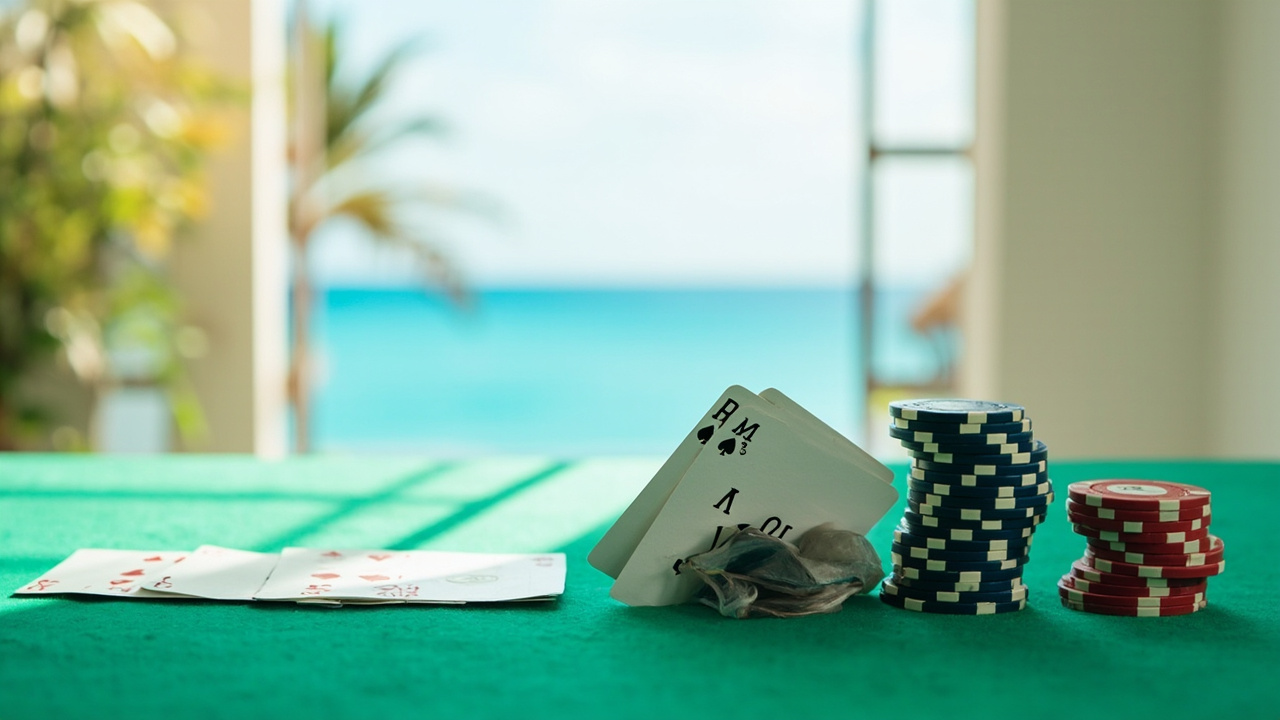
- Decide the session length and stake range you are comfortable with before you join a table.
- Check the recurring promos, cashback, and loyalty or VIP structure instead of focusing only on the welcome offer. clubhouse-casin0.com
- Confirm the mobile experience and support options match what you would want if a hand or connection issue comes up.
- Compare the table’s pace and limits against your bankroll plan, not against the most aggressive side bets on offer.
- Reassess after a few sessions to see whether the repeat-play reasons actually keep you coming back.
The right dragon tiger live dealer table is the one that fits your pace, your limits, and the rewards you will actually use after the first deposit. If the table keeps your session steady, the ongoing promos make sense, and the support feels usable, you have a reasonable basis for staying. If not, no bonus is worth forcing a fit.