


Enforcing Terms and Conditions Equitably
A casino’s terms are a legally binding contract. Compliance teams prepare them in plain language and enforce them consistently. Bonus abuse, Bassbet, multiple account creation, and jurisdictional misrepresentation are subject to a documented escalation path with evidence collection and a right of reply. Decisions are not capricious; they are logged and subject to internal review. Australian customers can access independent dispute resolution if needed. Fair enforcement reflects a compliance-first culture. Updates to terms are shared with clear notice to registered players. Critical changes are emphasized so users can review them before continuing. This transparent approach decreases misunderstandings and regulatory risk.
Information Privacy and Data Security Compliance
Gambling establishments handle confidential personal and financial data, so confidentiality and protection are core parts of compliance. Australia’s Privacy Act provides a benchmark, and many providers follow tougher GDPR-inspired norms. Compliance teams map data movements, keep processing logs, and let players access, correct, or delete information. Outside parties such as payment handlers must sign data processing contracts guaranteeing equivalent safeguards. That provides every piece of player data a clear line of accountability. Information is regarded as a risk to be guarded, not an asset to be traded. The goal is to minimize breach threat and honor user rights.
Cryptographic Protection and Secure Storage
Technical safeguards secure data during transmission and when stored. Communications use Transport Layer Security encryption, and stored data is encrypted with standard industry algorithms. Permissions to production databases is limited and demands multi-factor authentication. Independent security firms conduct penetration testing and vulnerability scans. Compliance leadership evaluates results and remediates weaknesses before they can be exploited. Safety remains a constant refinement cycle, not a conclusive condition. Vulnerability checks are scheduled on a regular basis. Any deficiency is remediated before it can be turned into a breach. This tiered security maintains player data safe across the system. It also fulfills reviewers who verify technical controls against industry standards.
The Aussie Regulatory Landscape
Australia’s online gambling rules are tiered and strictly enforced. The Interactive Gambling Act 2001 forbids unlicensed interactive gambling services to Australians, while state and territory bodies contribute their own enforcement. Operators holding international licences still need to meet Australian consumer protection expectations. The Australian Communications and Media Authority monitors advertising, payment processing, and dispute resolution. Compliance teams handle these requirements as a baseline and adapt when new guidance appears. The framework shapes how platforms operate and looks after players. Legal clarity directs every public-facing decision, from advertising tone to withdrawal processing.
Regulatory Authorities and Their Conditions
Many international casinos catering to Australians possess a licence from Curacao, Malta, or Gibraltar. Each jurisdiction establishes various requirements for financial reporting, client money protection, and audits. A reputable operator publishes its licence number and links to the regulator’s validation page. Maintaining a licence requires periodic financial reporting and responsible gambling investment. Breach can cause cautions, fines, or revocation. These duties create the basis of marca.com a reliable platform. Users get a straightforward way to assess an operator’s reputation before they make a deposit. Authorities can review the same records, which generates accountability.
Regular Audits and Reporting
Supervisory bodies mandate three-monthly or annual reports addressing financial condition, payout rates, and anti-money laundering (AML) controls. External laboratories examine RNGs and return-to-player rates. Transparent casinos disclose RTP verification badges or audit summaries. Affiliates appreciate these results because they support reliable promotions. Bassbet Casino for instance, uses audit outcomes to demonstrate fairness and uphold regulatory standing. These audits are not necessarily public, but they sit at the core of the licence. Users can inquire about verification summaries when they seek extra assurance. The ongoing testing maintains game outcomes fair over time.
Know Your Customer and Anti-Money Laundering Protocols
KYC and AML procedures prevent financial crime and confirm player identity. Registration activates phased checks depending on risk and transaction volume. Players submit proof of identity, address, and sometimes payment method ownership. Automated screening against sanctions lists and politically exposed persons databases operates in real time. The process is structured to be simple for legitimate customers while preventing illicit actors. Records are maintained to meet licensing and financial intelligence requirements. Compliance teams handle every sign-up as a structured case, not a one-size-fits-all formality. The balance between friction and security is crucial for a compliant casino.
Customer Identification and Transaction Monitoring
Modern verification merges document uploads with biometric checks and database cross-references. Analysts and automated systems examine deposits, withdrawals, and gameplay for structuring or unusual spikes. Suspicious cases can result to a report filed with financial intelligence units. The casino must maintain those investigations confidential. For Bassbet Casino, accurate identity data lowers chargeback risk and enables responsible gambling controls. Manual review kicks in when anomalies appear, and the player might be requested for additional documents. This layered process ensures accounts legitimate without creating unnecessary delays for typical users. The point is to balance security and user experience.
Regulatory adherence in Affiliate Collaborations
Partners act as an extension of the casino brand and introduce regulatory risk. Companies must educate, supervise, and implement marketing standards through contracts and audits. Affiliate content must not pledge guaranteed wins or aim at vulnerable groups. Routine sweeps examine for misleading claims and missing responsible gambling messaging. A non-compliant affiliate is a regulatory liability, not just a commercial risk. This necessitates a structured programme with clear consequences for breaches. Affiliates get compliant materials that have already passed legal review. That reduces the chance of misleading promotions reaching Australian consumers. Continuous scans detect issues after approval.
Screening and Marketing Standards
Affiliate onboarding begins with a examination of website content, social media, and audience demographics. Spam tactics or promotion of unlicensed operators cause rejection. Approved partners use pre-vetted marketing materials and follow strict guidelines. Bonus terms must be fully disclosed, and prohibited content is grounds for commission suspension or termination. This keeps the programme aligned with Australian consumer law and compliance goals. Contractual clauses spell out exactly what can and cannot be said. Affiliates who violate these terms face immediate action. That firm stance defends the brand and its Australian audience. It also assists the casino demonstrate regulatory accountability.
Safe Gaming and Player Protection Framework
Licence requirements also protects player well-being. Licensed casinos feature reality checks, loss limits, deposit caps, and self-assessment questionnaires. Support staff are trained to recognise problematic conduct and act discreetly. These tools are not optional; they are licence conditions and are regularly audited. Bassbet Casino keeps entertainment from leading to harm by integrating safeguards into the player experience. These measures are part of standard practice, not emergency add-ons. The same controls provide regulators evidence that the operator takes welfare seriously. That evidence is assessed during periodic audits. It preserves the licence and player trust.
Voluntary Exclusion and Deposit Limit Tools
Player ban is the strongest individual control. When a player seeks exclusion, the casino must close the account for a set period, from six months to permanent. Deposit limits set daily, weekly, or monthly caps. Reductions happen immediately; increases require a cooling-off period. Every change is logged for auditors, proving the casino honours player intentions without commercial exceptions. These controls are located in the account dashboard and are backed by customer service. They also block impulsive decisions from leading to lasting financial damage. The cooling-off period for limit increases is a key safeguard. It prevents rapid escalation after a player becomes frustrated.
FAQ
What does casino compliance entail?
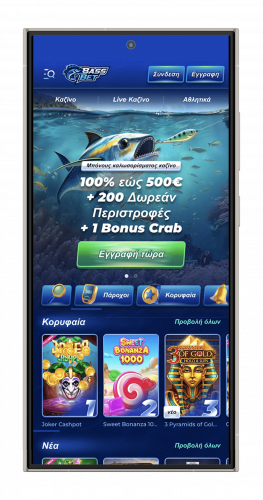
Casino compliance covers regulation, safer gambling measures, AML procedures, information security, advertising standards, and fair conditions oversight. It requires periodic audits, identity checks, and robust security technology to shield users and comply with regulations. Every department follows a framework that limits damage and deters financial misconduct. This builds a open and answerable environment as opposed to a vague set of assurances.
Why is a gambling licence so important for an online casino?
A licence confirms the provider has been vetted by a recognised regulator and must adhere to strict operational rules. It demands regular reporting, segregation of player funds, and independent testing of games. Players in Australia can check a clear licence reference on the authority’s site. That accountability differentiates regulated platforms from illegal entities and gives users confidence.
In what way does customer identity verification protect users?
ID verification blocks underage betting, blocks the use of stolen details, and stops self-excluded individuals from opening new accounts. It ensures the platform is free from criminal behaviour and lowers the risk of chargebacks. Users typically provide a government-issued ID and residence confirmation. A live verification may confirm that the individual registering is genuine. This safeguards both users and the casino.
What’s the role of gambling responsibility tools in compliance?
Safe gambling tools such as deposit limits, reality checks, and self-exclusion are required for licensed casinos. They give players control over wagering and session time. Compliance ensures these tools work reliably and that staff are educated to intervene when warning signs show up. Auditors confirm their availability and effectiveness. Without them, a casino cannot maintain a trustworthy licence.
How can affiliate programmes secure marketing compliance?
Affiliate programmes evaluate partners before approval and continuously monitor their content for false claims, unsuitable targeting, or lacking responsible gambling messaging. Contracts ban guaranteed win statements and require bonus terms to be presented fully. Non-compliant affiliates risk commission suspension or termination. This safeguards the brand and Australian consumers from fraudulent promotions.

What occurs if compliance rules are violated?
Breaches spark escalating consequences depending on severity. Minor issues may lead to a warning and a requirement to implement corrective measures. Serious or repeated violations can cause fines, mandatory external audits, or licence suspension. Affiliates may lose commissions and have their partnerships terminated. Every decision is recorded to demonstrate accountability to regulators and players.
How do players check that a casino is truly compliant?
Players can confirm compliance by reviewing the website footer for a license number and verifying it on the governing body’s official site. They need to search for clear terms, RTP verification badges, and contact details for responsible gambling support organizations. Efficient customer service and published audit summaries are additional signs that a casino accepts its obligations earnestly.