

Online Poker House Edge And Odds Explained For Australian Players
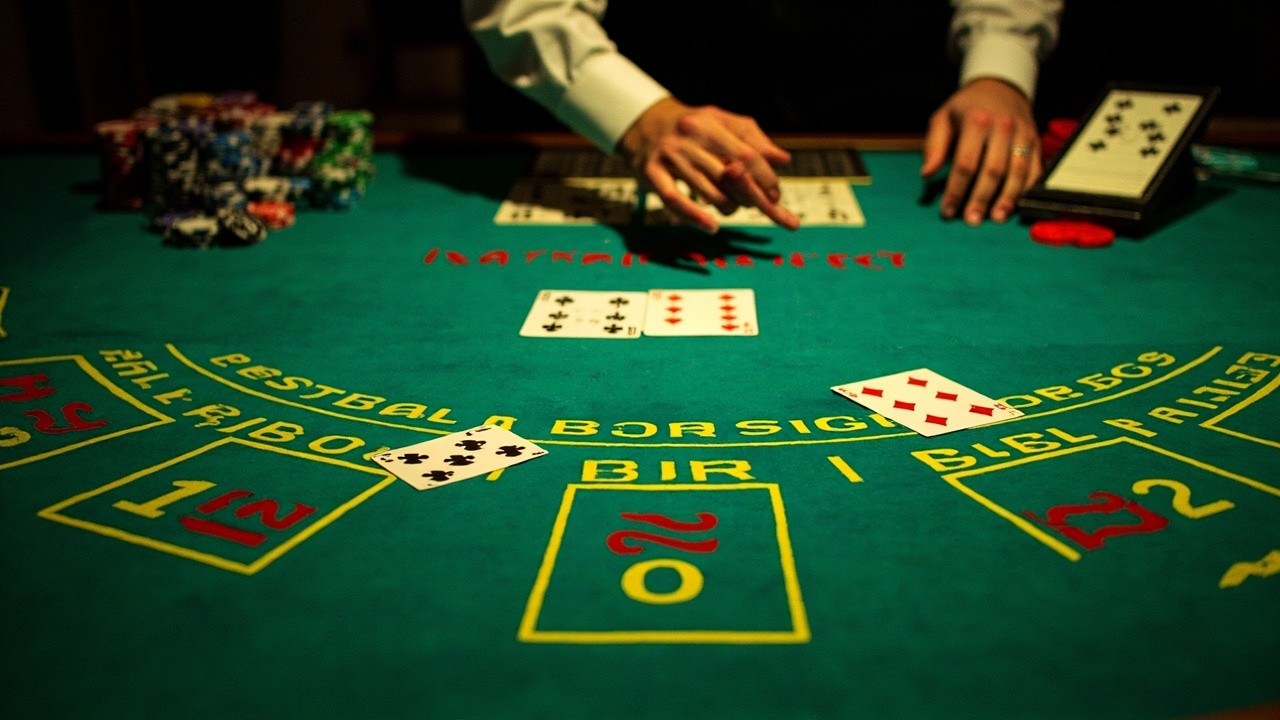
Brenden Varcoe spent years negotiating content deals across global gaming markets, and that commercial lens matters when you read the fine print. Most Australians reckon poker is pure skill, but the platform still takes a cut every time you sit down. This guide walks through how that edge shows up in a lobby, how odds actually shift once you factor in rake and blinds, and what to check before you commit real money. We are keeping it practical, not theoretical, so you can spot the maths hiding behind glossy promotions.
The Lobby Layout And Game Mix You Actually See
A lobby is where the house edge starts whispering before you even pick a table. You will usually find cash games, sit-and-gos, and multi-table tournaments stacked in separate tabs, with providers like Playtech and proprietary skins mixed in depending on the operator. The search filters matter more than they look, because a crowded lobby hides weaker fields and tighter rake structures. I have seen commercial teams bundle low-rake micro-stakes with flashy tournament buy-ins just to move traffic, so do not assume the front page is showing you the best odds. If you want a clearer read on how marketing narratives shape what you see, the piece on poker implied odds and the stories casino welcome to us marketing tells digs into that gap. Melbourne players often log in during the arvo rush, and that traffic spike can tilt field quality more than the advertised prize pool.Poker implied odds and the stories
| Format | Typical House Edge Driver | What It Means For You |
|---|---|---|
| Cash games | Rake capped per pot, often 5-10% up to a ceiling | Edge scales with pot size, not just hand frequency |
| Sit-and-gos | Fixed rake plus entry fee built into the buy-in | Odds shift as the field thins, less variance late |
| Multi-table tournaments | Upfront rake plus periodic fees, prize pool dilution | Edge is front-loaded; skill matters more deeper in |
| Spin-and-gos | Rapid blind structure, faster rake collection | Higher hands per hour, edge compounds quicker |
Reading Pot Odds, Rake And The Real Cost Per Hand
Pot odds are the straightforward bit: you compare the price of a call to the size of the pot, and the decision is usually clean if you know your equity. The tricky part is that rake quietly changes the equation every time the pot crosses a threshold. A 5% rake capped at a reasonable ceiling sounds fair until you realise it punishes big pots and slows your effective hourly return. I once sat through a content pricing workshop where the maths team showed that even a small rake bump moves long-term expectancy more than a flashy bonus ever will. If you are playing a $2/$5 cash game with a $3 cap, the edge is manageable; push into higher stakes without checking the cap and you are donating more than you think. The skill edge stays real, but the platform’s take is the fixed cost you cannot bluff away.
Bonuses, Wagering And How The Edge Shifts After Sign-Up
Sign-up offers look generous until you read the wagering requirements and the game weighting behind them. A deposit match might promise a tidy bump, but if poker proceeds count at less than full value or the release schedule drags across weeks, the effective edge creeps up. I have reviewed commercial terms where bonus cash was tied to specific stake levels, which sounds fine until you realise it pushes you into tighter fields and higher rake tables. The better operators separate tournament entries from cash-game play, but you still need to check whether withdrawals reset your bonus status or lock you into a minimum turnover. No one should treat a bonus as free equity; it is a conditional discount that can sharpen or dull your odds depending on how you use it. If you are chasing a quick flip, the maths usually says wait for a cleaner structure.
Payments, Verification And What Changes On Mobile
Deposits and withdrawals move at different speeds depending on the method, and that timing matters more than most players admit. AUD accounts keep the maths honest because you are not watching exchange spreads eat into your stack, while e-wallets and cards each carry their own settlement windows. Verification is non-negotiable under Australian rules, so expect ID checks, proof of address, and source-of-funds questions before a first withdrawal clears. I have worked on commercial rollouts where mobile parity was treated as an afterthought, and the result was a clunky lobby, delayed hand history sync, and missed notifications that cost players real money. A decent app should mirror the desktop lobby, keep rake and blinds consistent, and let you check your table selection without fighting the interface. The house edge does not care which device you use, but a shaky mobile build can make you pay for it in missed reads and slower decisions.
Playing Smart Around The Edge Without Chasing Miracles
The most useful habit is treating the house edge as a fixed cost, like a venue hire fee, and building your session around it. Pick stakes where the rake cap and blind structure leave enough room for your skill to matter, and do not let a bonus push you into tables you would normally skip. If you are logging in from Melbourne during a busy week, expect softer fields early and sharper regulars later, so adjust your starting hand ranges instead of pretending the odds are static. I have seen commercial plans that assumed players would happily chase turnover targets, but the players who last are the ones who track rake per hour and fold when the price is wrong. There is no secret workaround, just disciplined table selection, honest bankroll limits, and a clear read on when the edge is costing you more than your edge can recover.https://luckydreamaustralia.com

Check the lobby structure, read the rake cap, and treat any bonus as a conditional discount rather than free equity. The odds in poker still belong to the player who understands pot equity and field quality, but the platform’s take is always in the room. Keep your stakes aligned with the rake, verify your account properly, and log off when the maths stops working in your favour.